

- 20 Views
- 9 Min Read
- (0) Comment

Observing the Spaceman game, the steady appearance of warning messages is more than a design quirk https://flytakeair.com/spaceman/. It sits at the centre of how the game operates for UK players. The game’s core loop is simple—you put a bet, watch the spaceman ascend, and cash out before it crashes. But the framework around that loop is based on constant, clear communication. These warnings are not random. They are purposeful tools for protection and information. Let’s explore why they appear, what sets them off, and how often you can encounter them. That frequency isn’t an accident. It’s a measured part of the game’s design, shaped by the developer’s stance on safe play and the strict rules that UK platforms must follow. From reminders about how long you’ve been playing to confirmations before a bet is placed, each message has a job to do in keeping the environment transparent.
The Purpose and Purpose of In-Game Warnings
To talk about how often warnings show up, we first need to know what they are. In Spaceman, warnings are system notifications that pause or run beside the gameplay to deliver important information. Their main job is messaging and a obligation. These messages generally belong to a few clear types. There are responsible gaming prompts, which might suggest a break after a long session of play. There are financial confirmations, which need your explicit consent before a bet is made or you cash out. Then there are system alerts for things like a unstable connection. Each type activates because of a specific action you performed or a condition the system identified. The purpose is to make sure your decisions are aware and deliberate. This is typical, and often necessary, practice for any digital game where real money is at stake. These warnings act as interrupters. They create a break of pause inside a fast-paced experience. They are built in to support a safer system by giving you clear information exactly when your next move carries real significance.
Responsible Gaming and Player Safety
The most important warnings from an ethical perspective are those about responsible play. These aren’t about game mechanics. They are about your behaviour and welfare. They often emerge as reminders after a certain time of continuous play. Their role is prevention and safeguarding. Looking at the game’s design, these prompts are a key piece of a wider strategy for safer gaming. They are timed to appear at natural stopping points, like right after a cashout or when you’re back at the main betting screen. Their occurrence is intentionally uneven. The goal is to stop them from becoming background noise that players dismiss without thought. This strategy shows an awareness that playing can be engrossing. These warnings act as a built-in, neutral check on that immersion. They help coordinate the platform’s functions with established practices for protecting users.
Essential Aspects Influencing Warning Frequency
How often you encounter warning messages in Spaceman varies based on a blend of factors. Your own behaviour is the primary one. The game’s systems track session length, your betting history, and how you participate. A player in a prolonged, unbroken session will encounter more responsible gaming reminders than someone who gambles in short bursts. Next, the exact policies of the platform providing Spaceman are determinant. While the core game offers the framework, the operator can adjust the thresholds—like how many minutes of play trigger a break reminder—within the rules. This indicates your experience can be different from one website to another.

Technical and account-specific settings also factor in. If you’ve established your own deposit or loss limits, you might get different confirmations when you near those caps. The regulatory environment for the player’s location is likely the most inflexible factor. Rules from licensing authorities like the UK Gambling Commission mandate that certain warnings be displayed at specific moments, such as before the very first bet of a session. These are not optional. Finally, the game’s own integrity systems can create warnings. For example, if the game client perceives an inconsistent data flow, it might send an alert to halt you betting on an unstable connection. So what appears as a simple pop-up to you is usually the result of a intricate, real-time check on actions, settings, regulations, and system health.
Platform Policies and Regulatory Frameworks
The effect of platform rules and government regulation is decisive. The Spaceman game is typically offered by licensed online operators who must adhere to the terms of their licence. In the UK, this means adhering to strict codes of practice from the Gambling Commission. These codes dictate when and how often certain player protection messages must show up. As a result, the platform’s integration of the game features hard-coded compliance checks. A regulator might mandate a mandatory “time spent” reminder every 30 minutes of active play. The platform has to apply this. This layer of compliance establishes a standardised safety net. It means warning frequency, in key ways, mirrors external legal requirements more than just the developer’s design preferences. This guarantees a consistent baseline of consumer protection, making the gaming environment more protected across all operators that comply with the rules.
Examining Common Warning Triggers
Moving from theory to practice, it aids to identify the common actions and states that set off warnings in Spaceman. Recognizing these triggers enables players to see the cause and effect within the game interface. A consistent set of catalytic moments arises. The single most frequent trigger is beginning a new bet. Almost every time, a confirmation screen will pop up. It summarizes the bet amount and needs a second click to proceed. This is a basic financial safeguard. Another major trigger is the passage of time. The game monitors session duration, and exceeding a time limit will trigger a responsible gaming message.
- Placing a Bet: A confirmation pop-up shows the bet amount, demanding a second click to confirm. This is the most common warning.
- Extended Session Play: After a continuous period of activity, a message proposing a break or displaying time spent is triggered.
- Large Financial Transactions: Deposits or withdrawals above a certain value may trigger additional verification steps.
- Accessing Responsible Gaming Tools: Tapping to set a deposit limit will prompt explicit warnings about the implications.
- Network Instability: If the connection is poor, a warning about potential bet placement issues may arise.
These triggers accumulate and depend on context. A player in a long session will see the time-based trigger again and again. The design seeks to be informative without becoming a nuisance. The order of operations shows careful thought. Warnings about money and player welfare get top priority and are hardest to skip by mistake. System notifications tend to be more for your information. This hierarchy ensures the most critical messages keep their impact.
Player Perception and the Impact on Experience
The frequency and tone of warnings certainly shape how you encounter the Spaceman game. This effect has two sides. On one side, interruptions for acknowledgments and reminders can break the flow of the game. There’s a real risk of “warning fatigue.” If users get too habituated to clicking through messages, they stop absorbing the important details inside them. That undermines the whole protective purpose. On the other side, when these warnings are clear and measured, they add to a impression of safety and fairness. They indicate the platform is transparent and has systems to prevent hasty choices.
The crucial to a positive perception is in the delivery. The tone of the messages is generally impartial and factual. Their appearance is neat and matches with the system. Their frequency is also adjusted to avoid appearing too much; they appear at logical choice moments. A well-made warning system should seem like a responsible co-pilot. Players who comprehend the rationale behind these messages—that they are there for their own safeguard—are more prone to accept them as a standard part of modern online gaming. In the final analysis, the impact is a compromise. You accept a slight, brief disruption in return for a stronger level of monetary and personal accountability. For any game involving real money, that trade-off is not just desirable, it’s indispensable.
Contrasting Warning Systems Throughout Gaming Environments
To adequately understand the Spaceman game’s approach, it’s beneficial to evaluate its warning message system to other gaming environments. This reveals what’s distinctive about real-money, chance-based games. In traditional video games, warnings are commonly just for purchase confirmations. They show up infrequently. Social casino games might feature responsible play reminders, but they don’t have the strict, legally-required financial confirmations. The Spaceman game, when engaged in for real stakes, pertains to a more strictly regulated category. Its warning systems need to be more comprehensive.
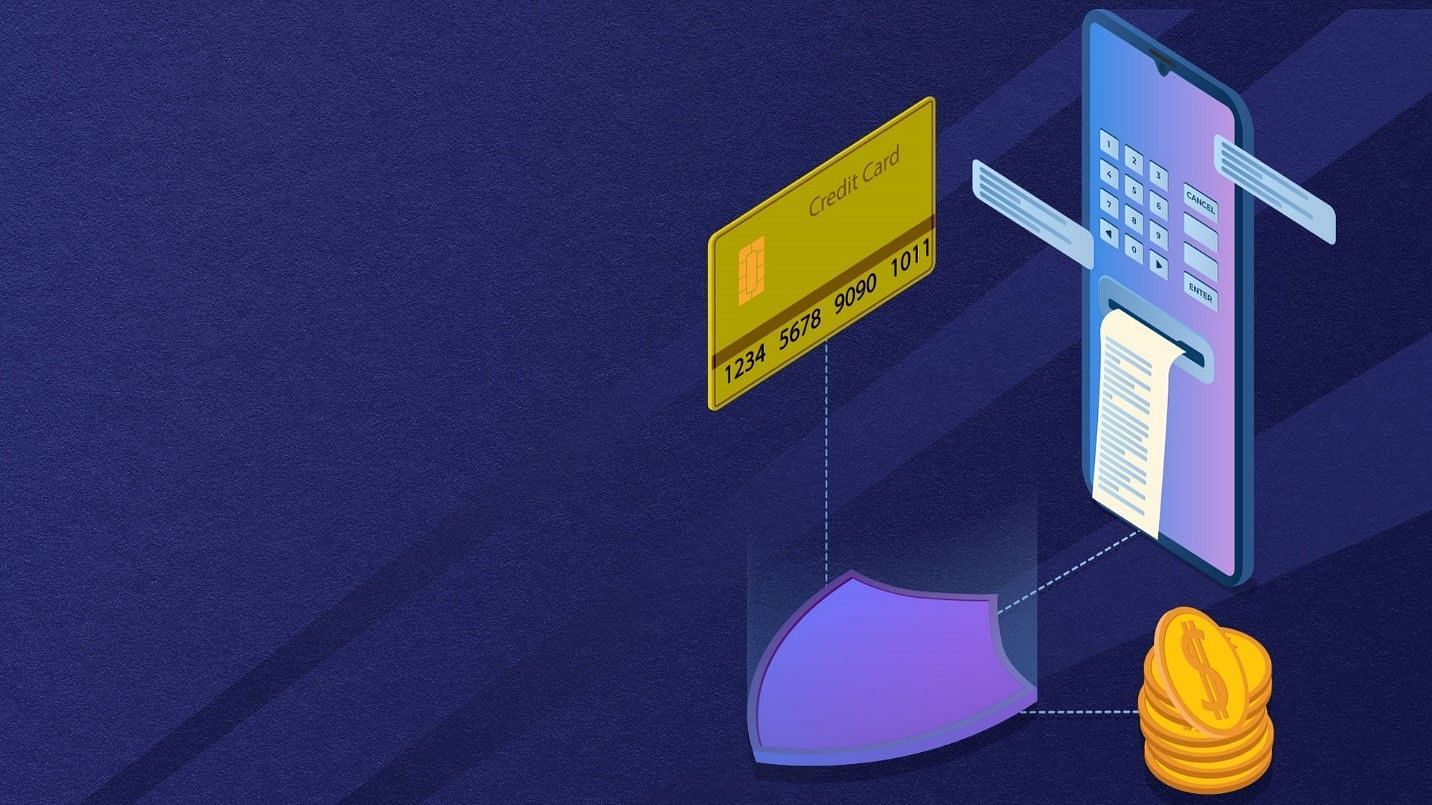
- Traditional Video Games: Warnings are rare, mostly for large microtransactions. The aim is to stop accidental buys, not control how long you play.
- Social/Fun-Mode Games: These can include voluntary break reminders, but the style is just recommendation, not a legal requirement.
- Real-Money Skill Games: You’ll encounter deposit confirmations, but responsible gaming prompts might be not as frequent due to varying play patterns.
- Real-Money Casino Games (like Spaceman): These have the highest frequency of warnings, motivated by guidelines for financial safety and addiction prevention.
This comparison highlights. The frequency of warnings in Spaceman is a clear feature of its classification. The regulatory burden is much more substantial. A player coming from a casual game should be prepared for this increase in communication. It’s a clear sign of the important context the game works within. These systems are in place precisely because the activity entails real financial risk. Acknowledging this difference is crucial. The warnings are a functional response to the unique nature of the game.
Implementation Details and UI Design
Any alert system’s effectiveness depends on its implementation and embedded in the user interface. Upon closer inspection, we can see a few design principles at work. On the technical front, warnings are controlled by both client-side and server-side logic. The game client monitors local events like button clicks, while the server holds the definitive record of your session. A event like a bet confirmation is processed swiftly by the client for speed, but a validation against your deposit limit needs a secure call to the server. This division guarantees both speed and security. The interface design is purposefully separate from the game’s own vibrant look. Warnings appear in modal windows that cover the game screen, compelling you to examine them.
The buttons are clear, with unambiguous options to proceed or stop, often using intuitive colour coding. The language is concise and uses no technical terms. A typical message will say, “You are about to place a bet of £10. Confirm?” This directness is everything. The system also has logic to stop identical warnings from appearing one after the other, which would quickly annoy any user. This well-considered construction shows the developers considered more than just the guidelines. They reflected on what it’s actually like to use these features. The aim is to make safety features obvious and efficient without making the game a chore to play. Achieving that balance is the sign of a professional offering that takes its duties and its players seriously.
Leave a comment: